



Alloy Wheel Straightening in Berkshire
Understanding Alloy Wheel Damage
Call us for a
Fast, no-cost quote.
What Causes Alloy Wheel Damage?
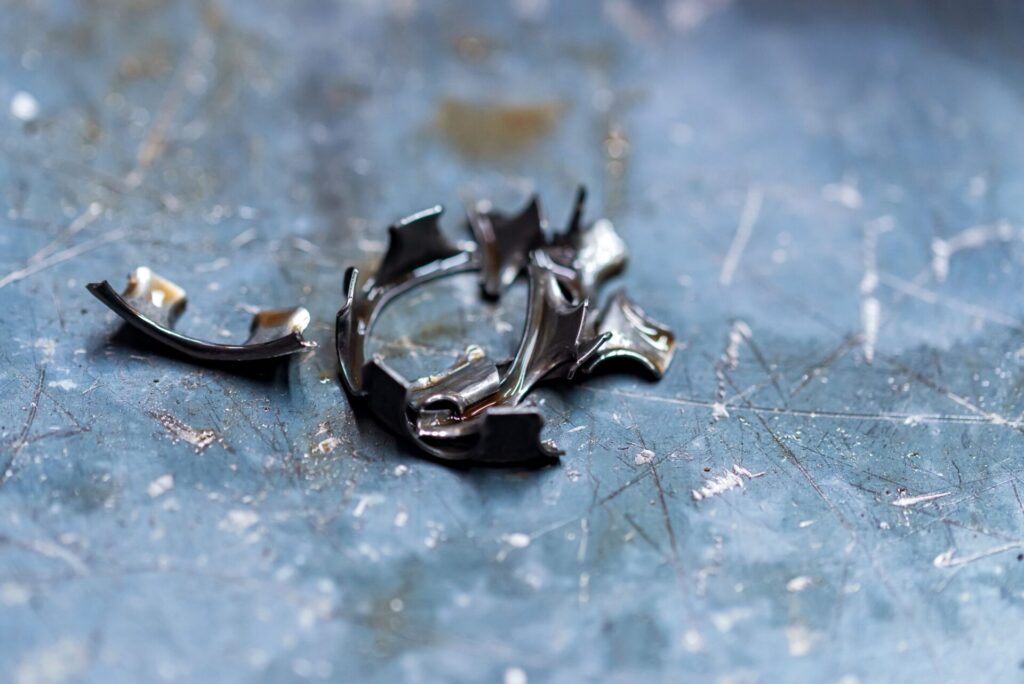
Impact damage often occurs when hitting potholes, kerbs, or other road obstacles. These sudden impacts can cause the wheel to bend or buckle, particularly at higher speeds, and the effects are usually immediate.
Uneven tyre wear is another factor that can gradually affect your wheels. Over time, uneven wear can lead to wheel imbalance, creating vibrations and impaired handling. This not only makes driving more uncomfortable but can also increase the risk of accidents when encountering potholes, speed humps, or other hazards.
Improper mounting or dismounting of tyres can also lead to wheel damage. While this is rare with OEM wheels, using the wrong equipment or poor technique during tyre changes can place unnecessary stress on the wheel and cause deformation.
Run-flat and low-profile tyres are more likely to expose wheels to damage. With thinner sidewalls, they provide less cushioning between the wheel and the road, leaving alloys more vulnerable to impacts from kerbs, potholes, and other road irregularities.
Professional Wheel Straightening Today by Our Skilled Team
Drop by our unit —
we’re here to help.
How are alloy wheels straightened?
1. Inspection and Assessment
Our technicians begin by thoroughly inspecting the wheel to identify the extent and location of the damage. This is carried out visually and with specialist equipment. In many cases, bent or buckled alloy wheels can be detected without even removing the tyre.
2. Wheel Removal
3. Wheel Heating
4. Hydraulic Straightening
5. Cooling and Curing
6. Refinishing
7. Rebalancing
Finally, the repaired wheel is rebalanced to ensure even weight distribution and smooth, safe driving performance. This step also serves as the final verification that the wheel is completely straightened and free of buckles.